Understanding MBM Technology and Its Applications
MBM, which stands for “Mille Board Measure,” refers to a precise unit of measure in the print finishing and manufacturing industries, indicating a thousand feet of board measure. This technology has myriad applications ranging from printing to packaging, where precision and efficiency are paramount. With the advent of advanced machinery, MBM technology has transformed how businesses operate, enabling them to maximize productivity while minimizing waste. When exploring options, MBM provides comprehensive insights into the latest advancements and applications in the field.
What is MBM and How Does It Work?
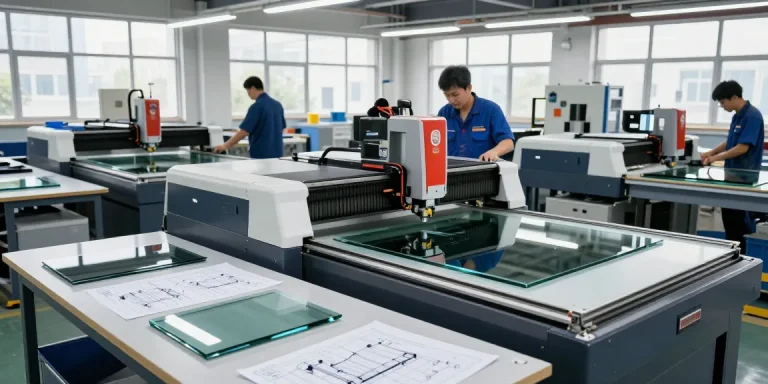
MBM technology operates on the principle of efficient measurement that assists in the production process. It integrates innovative machinery designed for cutting, trimming, and finishing, ensuring that each component meets stringent quality standards. The technology utilizes advanced sensors and software algorithms to deliver precise measurements, which is essential in industries where even a minor deviation can lead to significant waste or operational costs.
Key Features of MBM Cutting Machines
- Precision Cutting: MBM cutting machines are engineered for accuracy, allowing businesses to achieve exact dimensions necessary for their products.
- Speed and Efficiency: These machines operate at high speeds, increasing throughput and reducing lead times in production workflows.
- User-Friendly Interfaces: Many MBM models come equipped with intuitive controls, making it easier for operators to manage the machinery with minimal training.
- Modular Designs: MBM equipment often features modular designs that can be customized or upgraded to suit diverse operational needs.
Common Industries Using MBM Solutions
MBM technology is predominantly utilized in several industries, including:
- Printing and Publishing: The need for precise cuts and finishes in printing is crucial for quality publications.
- Packaging: MBM machines streamline the packaging process, ensuring products are securely packaged and visually appealing.
- Textiles: In the textile industry, precision cutting of fabric is vital, making MBM solutions indispensable.
- Manufacturing: General manufacturing benefits from MBM technology through improved efficiency and reduced material waste.
Pros of Using MBM Solutions for Print Finishing
Increased Efficiency in Production
One of the primary advantages of implementing MBM solutions is the marked increase in production efficiency. These machines minimize manual intervention, drastically speeding up the workflow. By automating the cutting and finishing processes, businesses can focus their resources on other critical areas, leading to better overall productivity.
Cost-Effectiveness Over Time
While the initial investment in MBM technology may be substantial, the long-term savings in labor, material costs, and waste reduction can be significant. Businesses that adopt MBM solutions often find that the technology pays for itself within a few years through reduced operational costs.
High Precision and Quality Outputs
MBM technology delivers high-quality outputs that meet, and often exceed, industry standards. The precision cutting ensures that every finished product is uniform, reducing the likelihood of defects and rework. This not only enhances customer satisfaction but also strengthens brand reputation.
Cons of MBM Technology You Should Consider
Initial Investment and Setup Costs
The upfront costs associated with MBM machines can be a barrier for small to medium-sized enterprises. These machines often require a significant capital investment and can lead to financial strain if not budgeted properly. Additionally, installation and setup can incur extra expenses that businesses need to account for.
Maintenance and Technical Support Challenges
MBM machines, while generally robust, still require regular maintenance to ensure optimal performance. Finding qualified technicians for maintenance and repairs can be challenging, leading to potential downtime. Businesses must develop a maintenance schedule and ensure that they have access to technical support when needed.
Learning Curve for New Operators
Despite their user-friendly interfaces, there is still a learning curve associated with using MBM technology. New operators may require training to fully utilize the capabilities of these machines, which can temporarily slow down production if not managed effectively.
Best Practices for Implementing MBM Equipment in Your Business
Choosing the Right MBM Model for Your Needs
Selecting the appropriate MBM model is crucial for optimizing production efficiency. Consider factors such as the volume of production, the types of materials being processed, and the specific cutting requirements. Conducting a thorough needs assessment can help ensure that the chosen equipment aligns with production goals.
Training Staff for Optimal Performance
Investing in comprehensive training for staff is vital for maximizing the benefits of MBM technology. Regular training sessions can keep employees updated on best practices and new functionalities, enhancing their operational capabilities and reducing errors.
Integrating MBM Solutions with Existing Workflows
Seamless integration of MBM solutions into existing workflows can significantly enhance productivity. Businesses should evaluate their current processes to identify areas where MBM technology can complement or improve operational efficiencies, ensuring a smooth transition that minimizes disruptions.
The Future of MBM Technology in 2026 and Beyond
Emerging Trends in Print Finishing Technology
The print finishing landscape is evolving, with trends such as automation, AI integration, and sustainable practices becoming increasingly prominent. As businesses seek to enhance efficiency and reduce environmental impact, MBM technology will likely incorporate these trends into their offerings.
Predictions for MBM Advancements and Innovations
Looking ahead, advancements in MBM technology are anticipated to focus on increased automation and smart technology. This will include more sophisticated software solutions that can analyze production data in real-time, allowing businesses to make informed decisions that optimize their production runs.
Impact of Sustainability on MBM Manufacturing Processes
Sustainability will play a significant role in shaping the future of MBM technology. Manufacturers are under increasing pressure to adopt greener practices, leading to innovations in material usage and energy efficiency. Expect to see MBM machines designed to minimize waste and reduce carbon footprints as a response to these demands.
FAQs about MBM Technology
What are the benefits of using MBM equipment?
The benefits of MBM equipment include enhanced precision, improved production efficiency, cost-effectiveness over time, and high-quality outputs. These advantages significantly contribute to a business’s bottom line and customer satisfaction.
How does MBM technology compare to traditional methods?
Compared to traditional methods, MBM technology offers superior accuracy, speed, and operational efficiency. Traditional methods often involve more manual labor and a higher margin for error, while MBM solutions provide automated, consistent results.
What maintenance is required for MBM machines?
MBM machines require regular maintenance, including cleaning, lubrication, and adjustments to ensure they operate smoothly. Establishing a routine maintenance plan can help prevent breakdowns and extend the lifespan of the equipment.
Where can I find MBM products and services?
MBM products and services can typically be found through specialized suppliers or directly from manufacturers. Online research and industry-specific trade shows may also provide opportunities to explore the latest MBM solutions available in the market.
How is MBM equipment evolving in 2026?
As we look to 2026, MBM equipment is expected to evolve to incorporate more advanced automation, artificial intelligence, and sustainable practices. This evolution aims to enhance efficiency, reduce waste, and address the growing demand for environmentally friendly solutions in the industry.
About the Author