The Emergence of Asian Culture in the Spanish-Speaking Community
In recent years, there has been a significant rise in the interest of Asian culture within the Spanish-speaking community. This growing fascination spans various domains, including cinema, music, food, and fashion. As communities continue to globalize and cultural exchanges become more prevalent, platforms such as https://hanadultalk.com have emerged, acting as critical gateways for Hispanophones to access and engage with Asian content. This article explores the reasons behind this trend and how it is shaping cultural identities.
Why Asian Culture Matters to Hispanophones
The relevance of Asian culture to Hispanophones can be attributed to a multitude of factors. First, the universality of themes found in Asian media — such as love, family, struggle, and triumph — resonates deeply across different cultures. These themes create a bridge, allowing Spanish-speaking audiences to empathize with stories from Asia. Additionally, the rapid globalization of media has made it easier for Hispanic audiences to access Asian films, music, and television shows, further fueling their interest.
Moreover, the rise of the Asian entertainment industry, particularly K-dramas and J-pop, showcases a unique blend of traditional and modern storytelling that captivates audiences worldwide. These narratives often bring fresh perspectives and cultural insights, encouraging viewers to explore Asian traditions and values.
Common Misconceptions About Asian Content
Despite the growing interest, many misconceptions about Asian content persist. A prevalent myth is that Asian media is not relatable to non-Asian audiences. However, as demonstrated by successful K-dramas and anime, the emotional depth and universal themes make these stories accessible to anyone, regardless of cultural background. Another misconception is that Asian culture is homogenous; in reality, Asia encompasses a vast array of languages, traditions, and lifestyles, each offering unique narratives and experiences.
The Role of Platforms Like Hana Dul Talk in Cultural Exchange
Platforms like Hana Dul Talk are pivotal in dismantling these misconceptions. By providing curated content that is presented in Spanish, they allow Spanish-speaking audiences to engage with diverse Asian cultures. This facilitates better understanding and appreciation of cultural nuances, traditions, and social norms unique to each Asian country. Such platforms also encourage bilingualism, where users can learn and practice Spanish while enjoying familiar Asian media.
Understanding K-Culture: Trends and Impact
K-Culture, which refers to the cultural wave originating from South Korea, has significantly influenced global entertainment. Its impact can be observed through the popularity of Korean dramas, films, and music, which have found a dedicated fanbase in Hispanic countries.
Popular K-Dramas and Their Influence on Viewers
K-dramas have transcended linguistic barriers, drawing viewers with their compelling storytelling and relatable characters. Series like “Crash Landing on You” and “Squid Game” have topped charts in various countries, including those with Spanish-speaking populations. The distinct production quality, engaging plots, and emotional depth contribute to their widespread appeal, making them a favorite subject in discussions among fans.
Top Korean Artists to Follow: A Cultural Guide
The success of K-pop groups such as BTS and Blackpink has not only dominated the charts but has also played a crucial role in introducing Korean culture to a broader audience. Their influence extends beyond music; fans often engage with the cultural elements presented in their music videos, fashion, and social messages.
How K-Culture Shapes Culinary Trends in Spanish Communities
Another significant aspect of K-Culture is its impact on culinary trends. The rising popularity of Korean cuisine, characterized by dishes such as kimchi, bibimbap, and Korean BBQ, has prompted many restaurants to adapt their menus to include these flavors, appealing to the adventurous palates of the Hispanic community.
Exploring Japanese and Chinese Cultural Contributions
While K-Culture has garnered substantial attention, Japanese and Chinese cultures also contribute significantly to this cultural tapestry. Their unique traditions and art forms enrich the diversity experienced by audiences globally.
The Rise of Anime and Manga in Global Popularity
Anime and manga have grown exponentially in popularity, captivating audiences beyond Japan. Titles like “My Hero Academia” and “Attack on Titan” have dedicated fanbases among Spanish speakers. These mediums not only provide entertainment but also serve as cultural education tools, exposing viewers to Japanese societal values and storytelling techniques.
Traditional Chinese Festivals: How They Are Celebrated Abroad
Chinese festivals, such as the Lunar New Year and the Mid-Autumn Festival, showcase rich historical traditions and are celebrated globally. In Hispanic countries, cultural organizations often hold events to educate the public about these festivals, blending traditions and creating multicultural experiences.
The Impact of Japanese Cuisine on Global Food Culture
Japanese cuisine, with its emphasis on seasonal ingredients and aesthetics, has greatly influenced global food trends. Sushi bars and ramen shops have become ubiquitous in many countries, including those with substantial Hispanic populations, creating a fusion of flavors that caters to diverse tastes.
Engaging Content Formats: How to Consume Asian Culture
As awareness of Asian culture continues to grow, so does the variety of content formats available to engage with them. From traditional cinema to interactive media, there are numerous ways to experience these cultures.
Best Practices for Enjoying Bilingual Content
To fully appreciate Asian media in Spanish, viewers should embrace bilingual content. Watching shows with Spanish subtitles while listening to the original language can enhance language learning and deepen understanding of cultural nuances. Engaging in discussions about these shows with friends or on social media platforms can also enrich the viewing experience.
Interactive Learning: Language and Cultural Workshops
Participating in workshops that focus on Asian languages and cultures can provide immersive experiences. These workshops often offer hands-on activities, such as cooking classes or traditional craft sessions, which foster a deeper connection to the material and enhance language skills.
Creating a Community Through Cultural Events
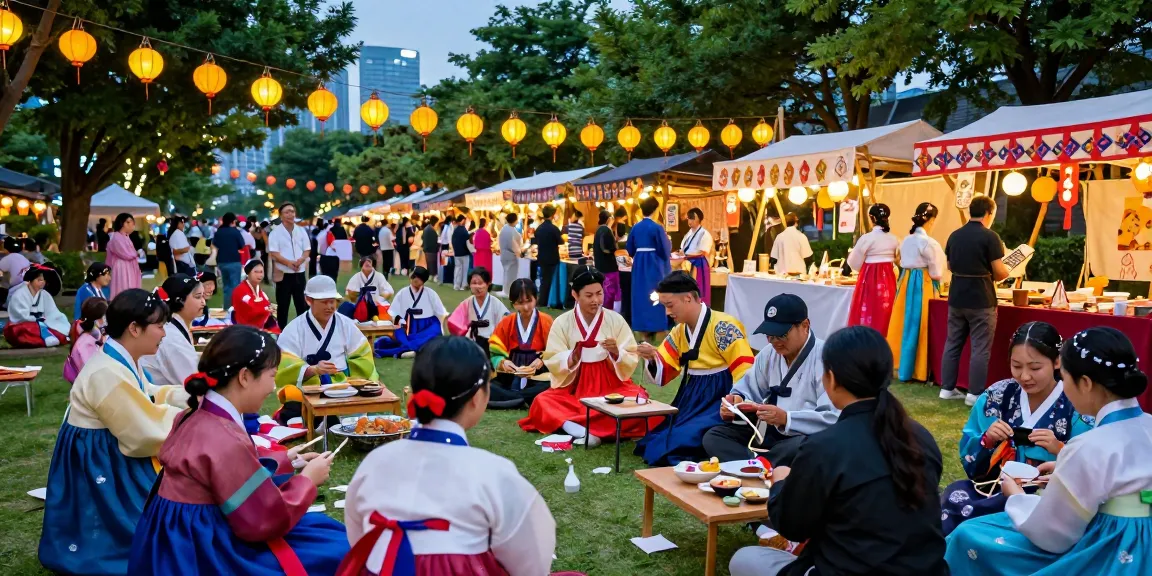
Attending community events celebrating Asian cultures, such as food festivals or cultural exhibitions, can provide valuable opportunities for networking and cultural exchange. These events not only showcase traditions and customs but also promote a sense of belonging and community among attendees.
The Future of Asian Culture in Spanish Media
As we look ahead, it is clear that Asian culture will continue to play an essential role in the media landscape. With advancements in technology and increased cross-cultural collaborations, the accessibility and representation of Asian stories in Spanish-speaking communities are poised to grow.
Emerging Trends for 2026 and Beyond
In 2026 and beyond, we can expect to see more collaborative efforts between Asian and Hispanic creators, leading to innovative content that reflects a fusion of cultural influences. This trend could result in a rise in bilingual programming, catering to audiences who wish to engage with both cultures simultaneously.
How Technology is Changing Cultural Consumption
The rise of streaming platforms and social media has transformed how cultures are consumed and shared. Innovations in technology, such as virtual reality experiences of cultural festivals, will allow audiences to engage with Asian cultures in unprecedented ways.
Predictions for Increased Collaboration Between Cultures
As cultural boundaries continue to blur, we can anticipate increased collaboration between Asian and Hispanic artists. Such partnerships can lead to groundbreaking projects that celebrate diversity and promote intercultural understanding, creating a richer media landscape for future audiences.
What Are the Long-Term Opportunities for Content Creators?
Content creators targeting these communities will have numerous long-term opportunities to explore. By harnessing the interest in Asian culture and creating tailored content that resonates with Hispanic audiences, they can tap into a growing market eager for authentic and relatable narratives.
What Asian Genres Are Gaining Popularity in 2026?
Genres such as fantasy dramas, romantic comedies, and culinary shows from Asia are expected to gain traction in the Hispanic market. As platforms like Hana Dul Talk continue to thrive, the appetite for diverse storytelling will undoubtedly increase, encouraging creators to explore these genres further.
About the Author