Understanding Microalgae Astaxanthin
As the wellness industry evolves, microalgae astaxanthin has emerged as a powerhouse nutrient, recognized for its extraordinary health benefits. This naturally occurring carotenoid, primarily found in microalgae, is gaining traction among health enthusiasts and researchers alike. Its unique properties not only foster health and vitality but also position it as a significant player in nutritional science for 2026 and beyond.
What is Microalgae Astaxanthin?
Microalgae astaxanthin is a red pigment belonging to the carotenoid family, which also includes beta-carotene and lutein. This potent antioxidant is synthesized by various species of microalgae, with Haematococcus pluvialis being one of the richest sources. Astaxanthin is responsible for the vibrant pink and red hues seen in salmon, shrimp, and flamingos, acting as a protective pigment that helps these organisms survive in harsh environments.
Health Benefits of Microalgae Astaxanthin
The health benefits of microalgae astaxanthin are vast and supported by a growing body of research. Below are some of the most significant advantages:
- Antioxidant Power: Astaxanthin is known to be one of the most potent antioxidants available, capable of quenching free radicals and reducing oxidative stress.
- Anti-Inflammatory Effects: It has been shown to help reduce inflammation, which is a root cause of many chronic diseases.
- Eye Health: Its ability to cross the blood-retinal barrier makes astaxanthin beneficial for eye health, potentially reducing the risk of conditions such as age-related macular degeneration.
- Skin Protection: Research indicates that astaxanthin can enhance skin elasticity and moisture, protecting against UV damage.
Sources and Production of Microalgae Astaxanthin
Microalgae astaxanthin is primarily sourced from microalgae, particularly Haematococcus pluvialis, cultivated in controlled environments for optimal yield. The production process often involves a careful balance of light, temperature, and nutrient levels to maximize astaxanthin concentration. In addition to algal sources, astaxanthin can also be found in certain yeast species and fungi, although these are less common.
How Microalgae Astaxanthin Supports Wellness
Antioxidant Properties and Their Importance
Astaxanthin's antioxidant properties are unparalleled; it is reported to be 6000 times more potent than vitamin C. This substantial antioxidant capacity is crucial in combating oxidative stress, which plays a significant role in aging and the development of various diseases, including cancer and heart disease. By incorporating microalgae astaxanthin into your diet, you can bolster your body’s natural defense mechanisms.
Microalgae Astaxanthin's Role in Skin Health
Skin aging is a natural process influenced by environmental factors, including UV exposure and pollution. Astaxanthin has been studied for its ability to improve skin texture, hydration, and elasticity. Clinical trials demonstrate that daily astaxanthin supplementation can reduce the appearance of fine lines and improve overall skin tone, making it a popular ingredient in skincare products.
Enhancing Athletic Performance with Microalgae Astaxanthin
Athletes are increasingly adopting microalgae astaxanthin for its potential to enhance performance. Studies suggest that it can improve endurance, reduce muscle fatigue, and speed up recovery times by minimizing inflammation and oxidative damage during intense workouts. The addition of astaxanthin to an athlete’s diet may lead to improved overall performance and reduced risk of injuries.
Incorporating Microalgae Astaxanthin into Your Diet
Recommended Dosages and Forms of Consumption
The recommended dosage of microalgae astaxanthin varies based on individual health goals and the form in which it is consumed. Supplements typically range from 4 to 12 mg per day, and it is essential to consult with a healthcare professional before beginning any new supplementation. Astaxanthin is available in various forms, including capsules, softgels, and powder, making it easy to incorporate into daily routines.
Delicious Recipes Featuring Microalgae Astaxanthin
Adding microalgae astaxanthin to your diet can be both enjoyable and nutritious. Here are a couple of simple recipes:
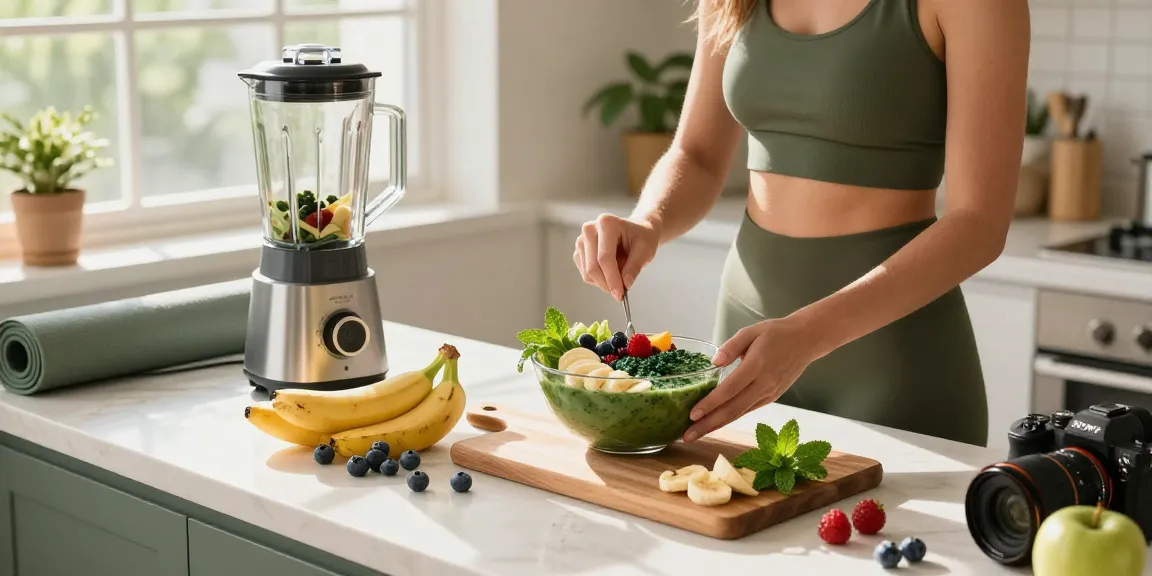
- Astaxanthin Smoothie: Blend one banana, a handful of spinach, a scoop of astaxanthin powder, and your choice of non-dairy milk for a vibrant, antioxidant-rich smoothie.
- Astaxanthin Energy Balls: Combine oats, peanut butter, honey, and a teaspoon of astaxanthin powder. Roll into balls and refrigerate for a quick, nutritious snack.
Choosing Quality Products: What to Look For
When selecting a microalgae astaxanthin supplement, it is crucial to consider the source and extraction method. Look for products that use Haematococcus pluvialis and are sourced from reputable manufacturers. Additionally, opt for products that have undergone third-party testing to ensure quality and potency.
Common Myths About Microalgae Astaxanthin
Debunking Misconceptions
Despite its growing popularity, several myths surround microalgae astaxanthin. One common misconception is that it is only suitable for athletes. In reality, individuals of all lifestyles can benefit from its antioxidant properties. Another myth is that all astaxanthin supplements are created equal; quality can vary significantly, which emphasizes the importance of choosing high-quality products.
Understanding Side Effects and Safety
Astaxanthin is generally considered safe for most people when taken in appropriate doses. Some may experience mild side effects such as digestive upset or changes in skin pigmentation. It is essential to consult a healthcare provider, especially for those who are pregnant, nursing, or have underlying health conditions.
Comparing Microalgae Astaxanthin to Other Supplements
Microalgae astaxanthin stands out among other antioxidants due to its unique chemical structure, which allows it to exert effects that others may not. While vitamin C and E are well-known antioxidants, astaxanthin's ability to penetrate cell membranes and protect cells from oxidative damage is superior. This makes it a powerful alternative or complement to traditional antioxidant supplements.
Future of Microalgae Astaxanthin in Nutrition
Emerging Research Trends and Innovations
Current research on microalgae astaxanthin is expanding rapidly, with studies focusing on its applications in various health domains, such as neurological health and metabolic syndrome. Advances in biotechnology are paving the way for more efficient production methods, which may reduce costs and increase accessibility.
Potential Market Growth and Consumer Trends for 2026
As awareness of microalgae astaxanthin continues to grow, the market for this nutrient is expected to see significant expansion. Projections indicate that the global astaxanthin market will reach billions in revenue by 2026, driven by increasing demand for natural supplements and functional foods.
Integrating Microalgae Astaxanthin into Health Protocols
Incorporating microalgae astaxanthin into personalized health protocols can optimize well-being. Its broad range of benefits makes it suitable for various health goals, from enhancing skin health to improving athletic performance. As more individuals recognize its potential, nutritionists and health coaches are likely to advocate for its inclusion in dietary recommendations.
What are the health benefits of microalgae astaxanthin?
Health benefits include its antioxidant power, anti-inflammatory properties, and positive effects on skin and eye health, among others.
How do you incorporate microalgae astaxanthin into your diet?
You can include microalgae astaxanthin through supplements or by adding it to smoothies and energy bites, as mentioned above.
Are there any side effects of microalgae astaxanthin?
While generally safe, some individuals may experience mild digestive issues or skin pigmentation changes.
What sets microalgae astaxanthin apart from other antioxidants?
Its unique molecular structure allows astaxanthin to penetrate cell membranes and protect cells more effectively than many other antioxidants.
What is the best way to choose a microalgae astaxanthin supplement?
Look for products derived from Haematococcus pluvialis, ensure they are third-party tested, and opt for reputable brands.