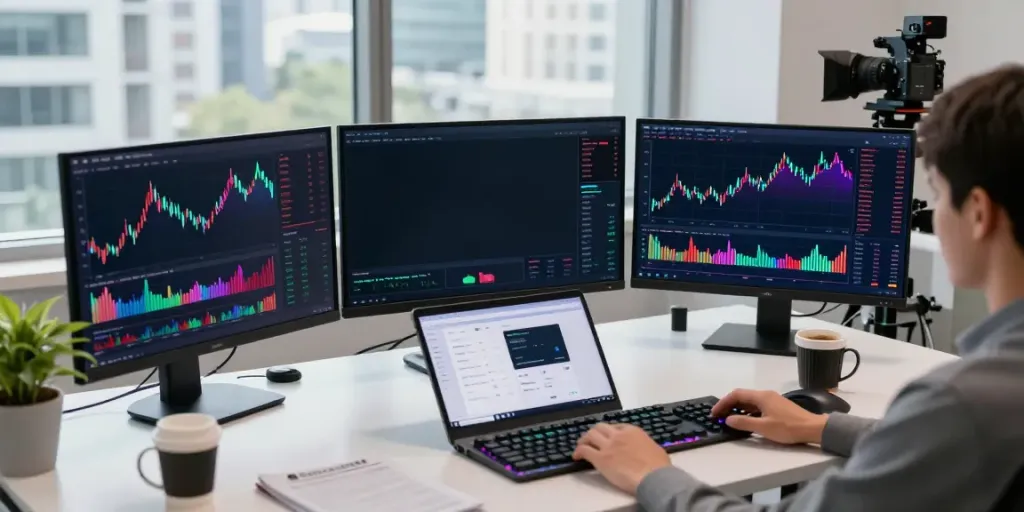
Understanding the Stock Forex Crypto Market Data API
The world of finance is undergoing a transformation with the advent of blockchain technology and the rise of cryptocurrency trading. As these changes unfold, traders and developers are increasingly relying on specialized tools, such as stock forex crypto market data API, to access real-time market insights and optimize their trading strategies. These APIs enable seamless integration of data feeds into trading systems, empowering users to make informed decisions based on up-to-date information.
What is a Market Data API?
A Market Data API is a set of protocols and tools that allow developers to access financial data, including real-time and historical market information, through their applications. This data typically includes stock prices, forex exchange rates, cryptocurrency valuations, and other financial metrics. The API serves as a bridge between users and data providers, enabling automated access to information that can enhance trading strategies and analysis.
Key Features of Stock Forex Crypto Market Data APIs
- Real-Time Data: Access to live market data, crucial for executing trades at the right moment.
- Historical Data: Comprehensive historical datasets for backtesting trading strategies and understanding market trends over time.
- Technical Indicators: Built-in calculations of technical indicators such as Moving Averages, RSI, MACD, which aid in market analysis.
- Millisecond-Level Latency: Fast data delivery ensures traders receive updates without delays, crucial for high-frequency trading.
- WebSocket and RESTful Support: Flexibility to choose between streaming data via WebSocket or polling data through RESTful requests.
How to Choose the Right API for Your Needs
Selecting the appropriate market data API depends on several factors:
- Data Coverage: Ensure the API covers the markets and exchanges relevant to your trading strategy, including forex, stocks, and cryptocurrencies.
- Latency and Speed: Low latency is critical for traders who require rapid data updates.
- Cost and Plans: Evaluate pricing models to find a solution that fits your budget, ranging from free tiers to premium services.
- Integration Capabilities: Confirm that the API can be seamlessly integrated into your existing systems or platforms.
- User Support: Consider the availability and quality of user support, including documentation and technical assistance.
Leveraging Real-Time Data for Trading Strategies
In the competitive landscape of trading, real-time data is an indispensable asset that can significantly influence the success of trading strategies. The ability to analyze live market movements, trends, and data points empowers traders to make agile decisions, capitalize on opportunities, and manage risks effectively.
Analyzing Market Trends with Real-Time Data
Real-time data analysis involves evaluating immediate market conditions and identifying patterns that signal potential profit opportunities. By utilizing technical indicators and historical price movements, traders can anticipate price changes and make informed decisions. This proactive approach includes recognizing chart patterns, trend lines, and support/resistance levels.
Integrating Technical Analysis into Trading
Technical analysis relies heavily on historical price movements and trading volume to forecast future price trends. Traders can utilize the data from market data APIs to implement technical analysis techniques effectively. Key indicators such as moving averages, Bollinger Bands, and Fibonacci retracements can be calculated instantly to inform trading strategies.
Developing Effective Trading Strategies
Combining market data with analytical tools allows traders to develop robust trading strategies. Some widely used techniques include:
- Day Trading: Taking advantage of short-term price fluctuations throughout the day.
- Scalping: Making small, quick trades to capture minor price changes.
- Swing Trading: Holding positions for several days to capitalize on expected upward or downward market swings.
- Position Trading: Long-term trading based on fundamental analysis of asset value.
Security Measures for API Usage
The integration and utilization of market data APIs necessitate a strong focus on security to protect sensitive data and trading strategies. As the financial sector becomes increasingly digitalized, so too do the threats and vulnerabilities associated with API usage.
Best Practices for Secure API Connections
Ensuring secure API connections requires implementing industry-standard practices:
- Use HTTPS: Always utilize HTTPS for API calls to encrypt the data transmitted.
- Rate Limiting: Implement rate limiting to prevent abuse and mitigate denial-of-service attacks.
- Token Authentication: Use secure tokens for accessing APIs rather than embedding credentials in requests.
- IP Whitelisting: Restrict access to your API based on specific IP adresses that you trust.
Understanding Data Encryption and Authentication
Data encryption involves encoding information to protect it from unauthorized access. Strong encryption standards, such as AES-256, should be employed for both data at rest and in transit.
Authentication mechanisms, such as OAuth or API Keys, are vital for verifying user identity before granting access to sensitive data or functionalities within the API.
Recognizing Security Vulnerabilities and Threats
API interactions are susceptible to various security vulnerabilities, including:
- Injection Attacks: Attackers may manipulate API inputs to execute malicious code.
- Data Exposure: Improperly configured APIs can expose sensitive data.
- Denial-of-Service Attacks: Overloading an API to render it unavailable to legitimate users.
The Future of Forex and Crypto Trading Data
As the financial landscape evolves, so do the technologies and methodologies that underpin trading activities. Market data APIs will play a pivotal role in this transformation, and several trends are emerging that will shape their evolution.
Emerging Trends in Market Data APIs
Future market data APIs are likely to incorporate advanced features such as AI-driven analytics, enhanced user interfaces for easier data interpretation, and broader access to decentralized data solutions, reflecting the growth of decentralized finance (DeFi) protocols.
Impact of AI and Machine Learning on Data Analysis
As artificial intelligence technologies mature, they will influence how market data is analyzed. Machine learning algorithms can help uncover hidden patterns and factors that should inform trading strategies, ultimately allowing for more precise predictions and competitive advantages.
Decentralized vs. Centralized Data Solutions
The debate between decentralized and centralized data solutions continues. While centralized solutions provide performance benefits and ease of use, decentralized options offer heightened resilience and trustlessness, which many in the crypto community value. Both come with unique advantages and challenges that users must consider.
Frequently Asked Questions (FAQs)
What is the best free API for forex and crypto trading?
The best free API often depends on user requirements. For those focusing on forex, APIs like iTick or Twelve Data provide solid options. For crypto trading, CoinMarketCap and other free options can also be effective.
How do APIs enhance trading performance?
APIs enhance trading performance by providing timely and accurate data feeds, facilitating automated trading strategies, and integrating diverse trading tools seamlessly into user systems.
What security practices should I follow when using APIs?
Key security practices include: never sharing credentials, implementing two-factor authentication (2FA), utilizing strong encryption, and keeping software up to date to defend against vulnerabilities.
Can I automate trading strategies with APIs?
Yes, APIs are integral for automating trading strategies. Traders can set predefined conditions using APIs to execute trades without manual intervention, increasing the speed and efficiency of trading operations.
What are the benefits of using historical data in trading?
Historical data allows traders to perform thorough analyses, test strategies under varying market conditions, and identify potential trends and reversal patterns that could influence future price movements.