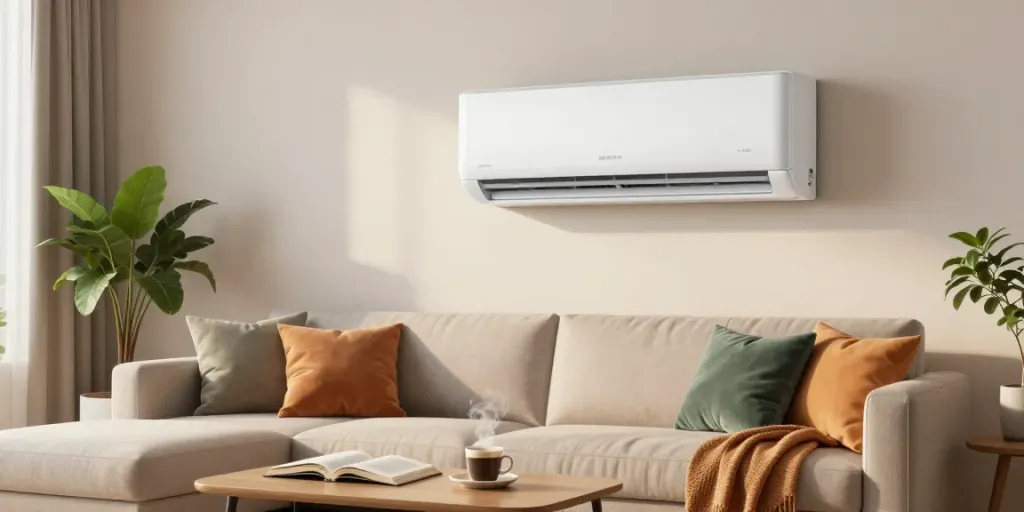
Understanding the Benefits of an 18k BTU Mini Split
In the quest for optimal indoor comfort, the 18k btu mini split system stands out as a premier choice. Designed to effectively heat and cool larger spaces, this mini-split air conditioning unit offers superior flexibility and efficiency. With rising energy costs and more home upgrades, many homeowners are turning to mini-split systems to enhance their living comfort while keeping energy expenses manageable. This article delves into the essential features, installation guidelines, and long-term benefits of opting for an 18k BTU mini split system.
What is an 18k BTU Mini Split System?
An 18k BTU mini split system, which has a cooling and heating capacity of 18,000 British Thermal Units per hour, is ideal for climate control in spaces ranging from 550 to 1,000 square feet. Unlike traditional central HVAC systems, mini splits operate without ductwork, which significantly reduces energy loss. The system comprises two main components: an indoor air-handling unit and an outdoor compressor unit, which are connected by refrigerant lines.
Key Features and Advantages
- Energy Efficiency: Mini splits often boast high SEER (Seasonal Energy Efficiency Ratio) ratings, making them cost-effective options for heating and cooling.
- Zone Control: Each indoor unit can be controlled independently, allowing users to create customized climate zones in their homes.
- Quiet Operation: Compared to traditional HVAC systems, mini splits operate quietly, enhancing indoor comfort without noisy distractions.
- Flexible Installation: The compact design and minimal installation requirements mean that mini splits can be installed in various locations, including multi-story homes.
Assessing Your Cooling Needs
Before installing an 18k BTU mini split system, it’s crucial to evaluate your specific heating and cooling needs. Factors such as room size, insulation quality, and local climate can impact the performance of your mini-split system. For instance, a well-insulated space in a moderate climate may require less capacity than an open-plan area in a hotter environment.
Installation Guidelines for Your 18k BTU Mini Split
Choosing the Right Location
Locating your indoor and outdoor units is critical for optimal performance. The indoor unit should be placed where airflow can circulate freely, ideally in a central location away from obstructions. The outdoor unit must be installed on a stable surface, away from direct sunlight, and in a well-ventilated area to prevent overheating.
Professional vs. DIY Installation
While some homeowner enthusiasts may choose a DIY installation for their mini split system, working with professionals is generally recommended. A trained technician can ensure that the system is properly mounted, the refrigerant lines are sealed correctly, and the electrical connections are secure, all of which are essential for ensuring efficiency and safety.
Tools and Materials Needed
If you opt for a DIY installation, gather the following tools and materials:
- Drill and bits
- Refrigerant lines
- Mounting brackets
- Electrical wiring
- Insulation tape
- Level
Maintenance Tips to Enhance Performance
Regular Cleaning and Upkeep
To ensure your 18k BTU mini split system operates efficiently, regular maintenance is essential. Clean the air filters monthly, as dirty filters can reduce airflow and strain the system. Additionally, clear any debris from the outdoor unit to help maintain airflow.
Troubleshooting Common Issues
Users may encounter common issues such as insufficient cooling or heating, strange noises, or leaks. Regularly check the system for any signs of wear or damage, and address problems promptly. It's advisable to consult the manufacturer’s manual for troubleshooting tips or to contact a professional.
Recommended Service Intervals
For optimal performance, it is advisable to schedule professional maintenance at least once a year. This service typically includes checking the refrigerant levels, inspecting electrical connections, and cleaning the coils, which can help prolong the lifespan of your mini-split system.
Cost Considerations and Energy Efficiency
Initial Investment vs. Long-Term Savings
While the initial cost of purchasing and installing an 18k BTU mini split may be higher than that of traditional air conditioners, it is essential to consider long-term savings on energy bills. Many mini-split systems offer a return on investment through reduced energy consumption, especially as efficiency ratings improve.
Understanding Energy Ratings
When shopping for a mini split system, pay attention to its energy ratings, such as SEER and HSPF (Heating Seasonal Performance Factor). Higher ratings indicate greater efficiency, which can translate into significant savings over time.
Calculating Operating Costs
To determine the operating costs of your mini split system, consider factors such as energy rates in your area, the square footage of the space being cooled or heated, and how often the system is used. Many online calculators can provide estimates based on your specific situation, allowing for better budgeting.
Future Trends in Mini Split Technology for 2026
Advancements in Efficiency Standards
As technology evolves, advancements in efficiency standards are expected to drive improvements in mini-split systems. New models may feature enhanced refrigerants that are less harmful to the environment, as well as improved compressors that deliver even higher energy efficiencies.
Smart Home Integration Features
With the rise of smart home technology, many manufacturers are beginning to incorporate smart features into their mini split systems. These may include Wi-Fi connectivity for remote control, integration with home automation systems, and smart thermostats that learn user preferences for improved energy management.
Sustainable Technologies on the Horizon
The push for sustainability will likely lead to innovations in eco-friendly refrigerants and manufacturing processes. Consumers are increasingly looking for energy-efficient products, prompting manufacturers to develop systems that minimize their environmental footprint while maximizing performance.
How many sq ft will an 18k BTU mini split cool?
Generally, an 18k BTU mini split system can effectively cool or heat spaces ranging from 550 to 1,000 square feet. This capacity makes it suitable for larger rooms or open floor plans, providing comprehensive climate control.
What is the cheapest 18,000 BTU mini split air conditioner?
The cost of an 18,000 BTU mini split can vary significantly based on brand, features, and installation costs. It is essential to compare available models and consider factors such as energy efficiency and warranty when making a purchase decision.
How much does an 18k BTU mini split cover?
An 18k BTU mini split typically covers areas ranging from 550 to 1,000 square feet effectively. However, this coverage may vary depending on factors such as room layout, insulation quality, and local climate conditions.
How much does a 18,000 BTU mini split cost to run?
The operating costs for an 18k BTU mini split vary based on factors like usage patterns and energy rates. On average, homeowners can expect monthly costs to range from $50 to $100, depending on efficiency ratings and local electricity prices.
What are the installation costs for an 18k BTU mini split?
Installation costs for an 18k BTU mini split can range from $1,000 to $3,000, depending on factors such as the complexity of the installation, local labor rates, and any additional ductwork or electrical work required. It's advisable to seek multiple quotes before deciding on a contractor for installation.