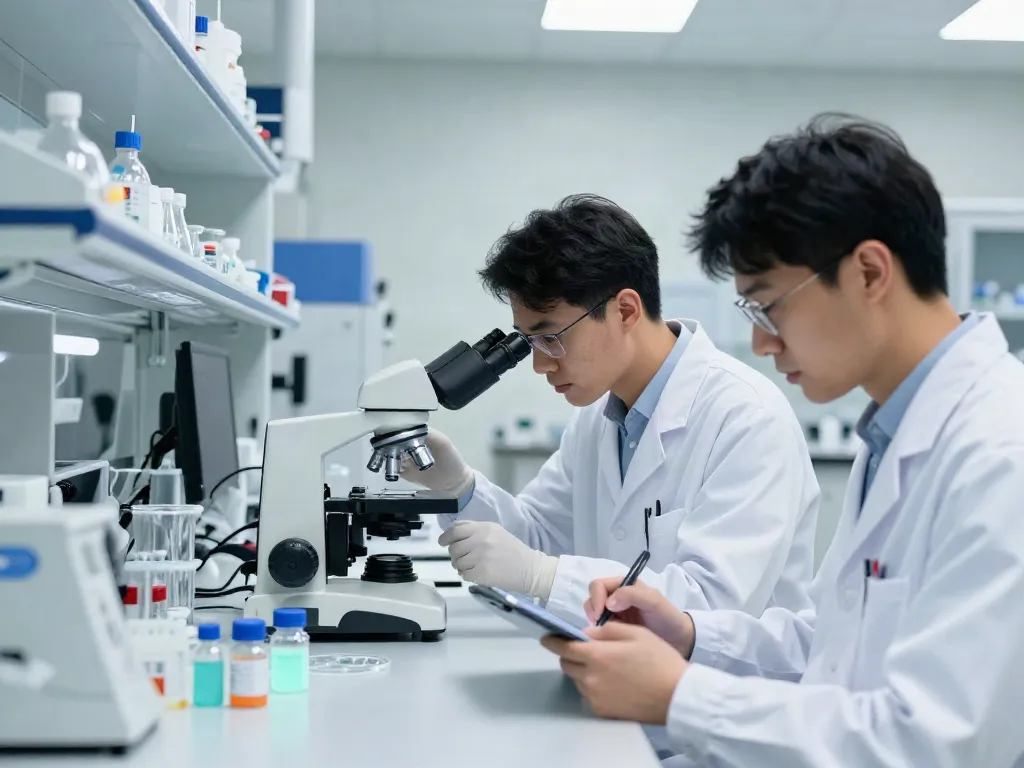
Understanding Glow Peptide: Composition and Benefits
In the realm of advanced laboratory research, the glow peptide has emerged as a significant compound, garnering interest for its multifaceted roles in cellular wellness and regenerative studies. As researchers continue to delve into the biological functions of peptides, understanding the composition, benefits, and applications of the glow peptide becomes crucial for innovation in various scientific domains. This article aims to provide an in-depth analysis of the glow peptide blend, focusing on its critical components and the implications for research outcomes.
What is Glow Peptide?
Glow peptide refers to a specialized blend of peptides designed for scientific research, particularly in fields that explore cellular mechanisms and skin health. Synthesized and rigorously tested for maximum purity, this blend is formulated for in-vitro laboratory research and tissue analysis protocols. The GLOW Peptide Blend - 70MG is a prime example, featuring a multi-compound structure that facilitates various research inquiries, including investigations into oxidative stress response and cellular signaling pathways.
Key Ingredients and Their Functions
The glow peptide blend consists of several key peptides, each contributing unique properties relevant to research. These include:
- GHK-Cu: A copper peptide known for its role in promoting skin repair and healing processes, making it significant in studies related to regenerative medicine.
- BPC-157: A peptide with protective roles in tissues and the ability to accelerate healing, often explored in studies on cellular metabolism.
- TB-500: This peptide is recognized for its role in tissue regeneration and anti-inflammatory effects, making it a valuable candidate in research focused on recovery and function.
Collectively, these ingredients are analyzed for their potential interactions and collective benefits in laboratory settings.
Scientific Studies Highlighting Benefits
Numerous studies have explored the benefits of glow peptides in various research contexts. For instance, a study published in a peer-reviewed journal discussed the role of GHK-Cu in skin regeneration, revealing significant improvements in skin elasticity and overall tone. Similarly, BPC-157 has been linked to reduced inflammation and enhanced recovery in muscle tissues, making it a focal point in studies of physical rehabilitation. These findings underscore the importance of glow peptides in advancing our understanding of cellular health and regenerative capabilities.
Applications of Glow Peptide in Research
Laboratory Uses of Glow Peptide
Glow peptides are utilized in multiple laboratory applications, particularly in studies concentrating on cell signaling and metabolic health. Researchers often employ the glow peptide blend to explore its effects on oxidative stress and tissue regeneration. The insights gained from such experiments contribute to broader understandings of cellular functions and potential therapeutic avenues.
Exploring Cellular Wellness and Regeneration
The focus on cellular wellness in peptide research has grown significantly. The glow peptide blend, with its unique composition, has been pivotal in studies examining cellular health, particularly in skin tissues. Researchers have identified that specific peptides within the blend can enhance collagen production and promote regenerative processes, which are critical for maintaining healthy cellular functions.
Peptide Signaling Mechanisms
Understanding the signaling mechanisms of peptides is essential for leveraging their benefits in laboratory settings. The glow peptide blend facilitates various signaling pathways that impact cellular behaviors, including proliferation, repair, and apoptosis. By examining these signaling mechanisms, scientists can develop more targeted research protocols that enhance our knowledge of peptide functions in biology.
Evaluating Purity: The Importance of Certificates of Analysis
What is a Certificate of Analysis?
A Certificate of Analysis (CoA) is a document that provides detailed information about a specific batch of a tested compound, ensuring its quality and compliance with regulatory standards. For researchers using glow peptides, obtaining a CoA is essential to verify the purity, mass, and authenticity of the product. Bio Apex Express rigorously tests each compound using High-Performance Liquid Chromatography (HPLC) and Mass Spectrometry, guaranteeing that each batch meets the highest standards of quality.
How Purity Impacts Research Outcomes
The purity of a compound directly influences its efficacy in research applications. Impurities can skew results, leading to inaccurate conclusions. The glow peptide blend's rigorous testing ensures that researchers can rely on the validity of their findings, making it a trusted option for exploration in cellular and regenerative studies.
Understanding HPLC and Mass Spectrometry Results
High-Performance Liquid Chromatography (HPLC) and Mass Spectrometry are essential analytical techniques used to validate the purity of peptides. HPLC helps separate and quantify the various components of the glow peptide blend, while Mass Spectrometry provides precise measurements of molecular weight. Together, these techniques form a robust analytical framework that supports the integrity of research findings.
Storage and Handling of Glow Peptide
Best Practices for Storage
To maintain the integrity of the glow peptide blend, proper storage is critical. It should be stored at ultra-low temperatures and in a dark environment to prevent degradation. Researchers must adhere to specified temperature ranges and storage conditions outlined in the product documentation to ensure the compounds remain stable throughout their use.
Safety Measures During Handling
Handling laboratory compounds, including glow peptides, requires adherence to safety protocols. Researchers should utilize personal protective equipment (PPE) such as gloves and goggles when working with these materials. Additionally, conducting experiments in a controlled environment, such as a fume hood or under laminar flow, minimizes exposure risks and upholds laboratory safety standards.
Expiration and Stability Information
Each batch of glow peptides comes with expiration and stability data that researchers must consider. Following the guidelines regarding the shelf life and recommended usage timelines is vital to ensure accuracy and effectiveness in research applications.
Future Trends in Peptide Research and Development
Growing Demand for Advanced Peptide Blends
As research into cellular health and regenerative medicine continues to expand, the demand for advanced peptide blends like glow peptide will likely grow. Researchers are increasingly recognizing the potential of these compounds to address complex biological questions and develop innovative therapeutic strategies.
Potential Industry Innovations in 2026
The peptide research landscape is poised for significant advancements in the coming years. Innovations may include the development of more targeted peptide combinations that address specific health concerns and enhance efficacy in therapeutic applications. Additionally, personalized peptide protocols tailored to individual patient profiles could transform clinical practices.
Expert Insights on Peptide Research
Experts in the field emphasize the importance of ongoing research in peptide science. They advocate for collaborations between laboratories to share findings and accelerate discoveries that can lead to breakthroughs in regenerative medicine and cellular health. As the field matures, the insights gleaned from these studies will contribute to enhanced understanding and applications of peptides in medical research.