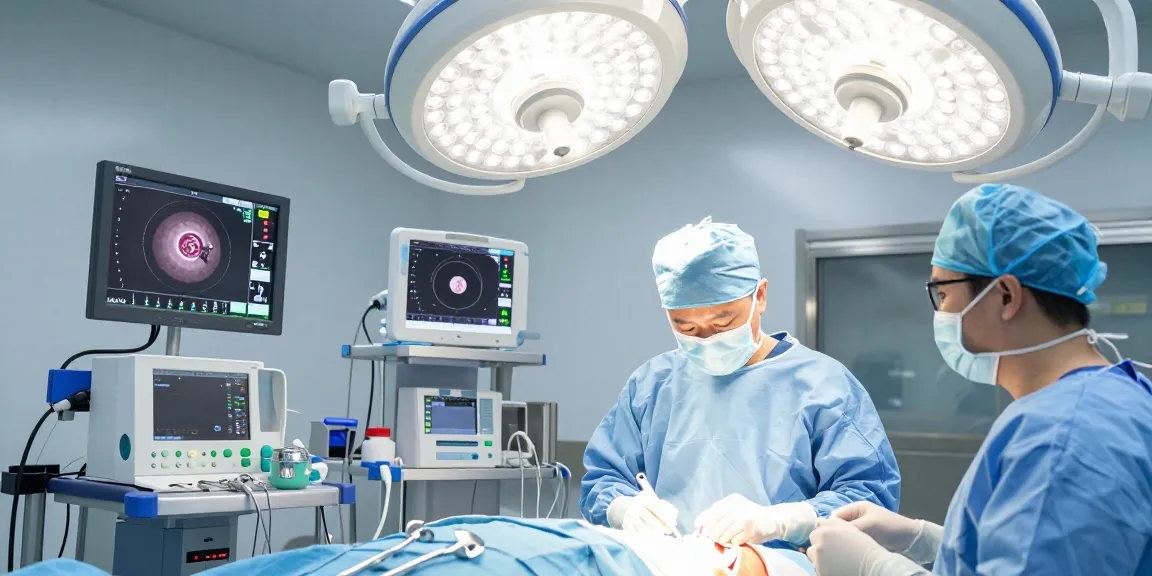
Understanding the Brain Tumor Surgery Process
Brain tumor surgery is a pivotal medical intervention aimed at removing tumors from the brain, which can be benign (non-cancerous) or malignant (cancerous). The surgical procedure can vary significantly based on the type, location, and size of the tumor, as well as the overall health of the patient. Advancements in medical technology have enabled a more refined approach to brain surgery, improving safety and effectiveness. For those seeking comprehensive insights on beyin tümörü ameliyatı, understanding the intricacies of the surgery process is crucial. This article explores the essential stages of brain tumor surgery, the significance of advanced techniques, and the implications for patient recovery.
What is Beyin Tümörü Ameliyatı?
Beyin tümörü ameliyatı is primarily designed to remove tumors that impact cerebral functions or threaten neurologic integrity. The procedure's goals include alleviating symptoms caused by the tumor's presence, obtaining a biopsy to determine tumor type, and securing the patient's overall neurological health. A multidisciplinary team usually conducts these surgeries, integrating the expertise of neurosurgeons, oncologists, radiologists, and rehabilitation specialists to ensure the most comprehensive care.
Key Stages in Brain Surgery
The surgery process for brain tumors can be segmented into several key stages:
- Pre-operative Assessment: This includes comprehensive imaging studies such as MRI or CT scans to evaluate the tumor's size, shape, and location. A thorough neurological examination is also conducted to establish a baseline for post-operative comparisons.
- Surgical Planning: Once the assessment is complete, a specific surgical plan is developed. This plan considers the type of tumor, its proximity to critical brain structures, and the anticipated challenges during surgery.
- Anesthesia and Preparation: Patients undergo anesthesia to ensure that they are pain-free during the operation. Proper positioning is crucial to access the tumor while minimizing risks to surrounding tissues.
- Execution of Surgery: Depending on the tumor's characteristics, the surgeon may employ various techniques, including traditional craniotomy or minimally invasive methods.
- Post-operative Care: After surgery, patients are monitored for complications and begin recovery, which may involve physical therapy and regular follow-up appointments.
Meningioma: A Common Type of Brain Tumor
Meningiomas are primarily benign tumors that arise from the meninges, the protective layers covering the brain and spinal cord. Although they are typically slow-growing, their location can lead to significant health issues by compressing adjacent brain tissue. Understanding the specific characteristics of meningiomas is essential for effective treatment planning.
Characteristics of Meningiomas
Meningiomas can be classified into three grades by the World Health Organization (WHO): Grade 1 (benign), Grade 2 (atypical), and Grade 3 (anaplastic or malignant). Grade 1 tumors are the most common and least aggressive, while Grade 3 tumors pose the greatest treatment challenges due to their tendency to grow invasively and recur after treatment.
Challenges in Meningioma Treatment
Treatment for meningiomas often involves surgical removal, but several challenges can arise, including:
- Location: Tumors situated near critical structures such as the brainstem or major blood vessels may require intricate surgical techniques to minimize risk.
- Recurrence Risk: Even after successful removal, meningiomas may recur, especially in higher-grade types. Ongoing imaging and follow-up with a healthcare provider are essential for early detection of recurrence.
Post-operative Care for Meningioma Patients
Recovery from meningioma surgery typically involves a stay in the hospital followed by outpatient monitoring. Key aspects of post-operative care include:
- Pain management: Addressing discomfort through medication and therapy.
- Monitoring for complications: Regular checks for neurological function and potential complications like cerebrospinal fluid leaks.
- Rehabilitation: Engaging in physical and cognitive rehabilitation as needed to aid recovery and restore function.
Risks and Benefits of Brain Tumor Surgery
While brain surgery can provide significant benefits by removing tumors and alleviating symptoms, it is important to understand the associated risks. These risks can range from minor complications to serious neurological impairments.
Understanding Potential Risks
Common risks associated with brain tumor surgery include:
- Infection: As with any surgical procedure, there is a risk of infection at the surgical site.
- Bleeding: There may be bleeding during or after surgery, which can complicate recovery.
- Neurological deficits: Depending on the tumor's location, there may be risks of speech, movement, or sensory impairments.
- Anesthesia complications: Reactions to anesthesia can occur, affecting patient safety.
Evaluating the Benefits of Surgery
The potential benefits of brain tumor surgery often outweigh the risks, particularly for tumors causing significant symptoms or life-threatening conditions. Benefits include:
- Symptom relief: Many patients experience relief from neurological symptoms post-surgery.
- Improved quality of life: By addressing tumor-related health challenges, surgery can enhance overall well-being.
- Potential for cure: In cases of benign tumors, complete surgical excision may lead to a cure.
Long-Term Recovery Expectations
Recovery from brain tumor surgery varies significantly based on factors like the surgery's complexity and the patient's health status. Most patients can expect:
- Initial recovery: Many individuals feel fatigued and may require a few days to weeks of rest.
- Rehabilitation: A structured rehabilitation program may be necessary to regain lost functions.
- Follow-up care: Regular follow-ups with imaging studies will be essential to monitor for recurrence and manage any ongoing symptoms.
Innovative Techniques in Brain Tumor Surgery
Recent advancements in surgical techniques and technology have significantly transformed brain tumor surgeries. These innovations not only enhance precision but also improve patient outcomes.
The Impact of Gamma Knife Treatment
Gamma Knife radiosurgery is a non-invasive approach that uses targeted radiation to treat brain tumors, particularly effective for smaller tumors or those in difficult locations. Advantages of this treatment include:
- Precision: High doses of radiation are delivered to the tumor with minimal impact on surrounding healthy tissue.
- Outpatient Procedure: Most patients can undergo this treatment without needing an overnight hospital stay.
- Reduced Recovery Time: Patients typically experience quicker recovery compared to traditional surgery.
Awake Brain Surgery: Benefits and Process
Awake brain surgery (awake craniotomy) is primarily used for tumors located near critical functional areas of the brain. This technique allows the surgeon to interact with the patient during the procedure, ensuring vital functions like speech and movement are preserved. The benefits include:
- Increased safety: Real-time feedback from the patient helps in avoiding damage to important brain areas.
- Optimal tumor removal: Surgeons can more accurately assess the extent of tumor removal in relation to surrounding healthy tissue.
Advances in Neuroimaging Technology
Neuroimaging technologies, including MRI and CT scans, have become crucial in planning brain surgeries. They enable the visualization of tumor characteristics and relationships with surrounding structures, which is essential for effective surgical strategies.
Future Trends in Brain Tumor Management
As research in neuro-oncology progresses, several future trends are emerging that may significantly impact brain tumor management.
Emerging Technologies and Techniques for 2026
By 2026, we anticipate the adoption of more sophisticated imaging techniques, robotic-assisted surgeries, and personalized medicine approaches that tailor treatments to individual tumor characteristics. These advances promise to enhance surgical precision and patient outcomes.
Patient-Centric Approaches in Treatment
Future treatment modalities are likely to focus on patient-centric care, incorporating patient preferences, values, and unique clinical needs into the treatment planning process. This approach not only improves satisfaction but also adheres to individualized care principles.
Importance of Multidisciplinary Care
Effective management of brain tumors requires the collaboration of a multidisciplinary team, including neurosurgeons, radiation oncologists, medical oncologists, and rehabilitation specialists. This integrated care model ensures a comprehensive approach to treatment and post-operative recovery.
What are the main types of brain tumors?
Brain tumors can be classified into several categories, including primary tumors (originating in the brain) and secondary tumors (metastatic tumors that spread from other parts of the body). The most common types include oligodendrogliomas, glioblastomas, meningiomas, and schwannomas.
How long is the recovery period after Beyin Tümörü Ameliyatı?
Recovery time can vary widely based on factors such as the type of surgery performed and the patient's overall health. Generally, patients may expect recovery to last from a few weeks to several months, with follow-up care critical for managing ongoing recovery and rehabilitation.
What are the costs associated with brain tumor surgery?
The costs of brain tumor surgery can vary significantly based on several factors, including the type of procedure, hospital fees, and post-surgical care. It is essential to consult with healthcare providers to obtain a comprehensive understanding of potential costs and coverage options.
How can patients prepare for their surgery?
Preparation for brain tumor surgery involves discussing any concerns with the medical team, adhering to pre-operative instructions (such as fasting), and arranging for post-operative support at home. Understanding the procedure and what to expect can alleviate anxiety and facilitate a smoother recovery.
What follow-up care is necessary post-surgery?
Post-surgical follow-up care typically involves regular medical evaluations, imaging studies to monitor for tumor recurrence, and rehabilitation services to aid recovery. For more information, beyin tümörü ameliyatı offers valuable insights. Remaining engaged with healthcare providers is essential for ongoing health management.